Enterprise Data Center: 4844522186, 4845099015, 4847134291, 5013929635, 5014240226, 5014579098

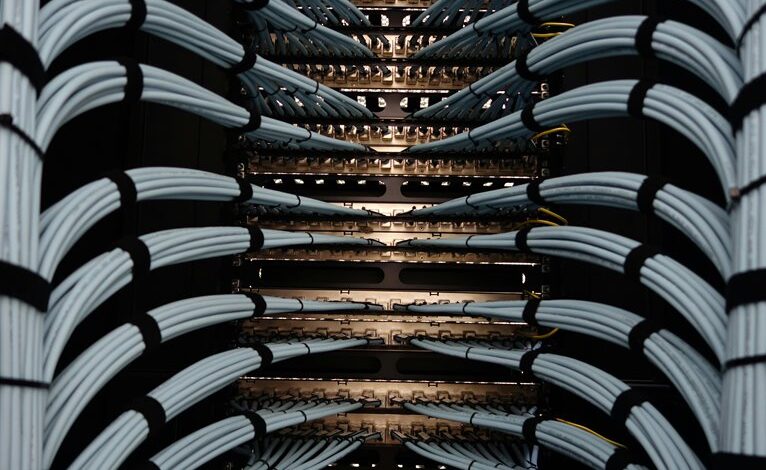
Enterprise data centers serve as critical hubs for effective data management and high-performance computing. Unique identifiers, such as 4844522186 and 5014579098, enhance data integrity and facilitate compliance with privacy regulations. These identifiers play a vital role in tracking and auditing processes, ensuring optimized resource utilization. However, the evolving landscape of data center technology requires continuous adaptation and innovation. What advancements will shape the future of these infrastructures?
Understanding the Role of Enterprise Data Centers
While advancements in cloud computing have transformed the landscape of IT infrastructure, enterprise data centers remain a critical component of organizational strategy.
Effective data center operations hinge on robust data center design, ensuring scalability and reliability. By integrating advanced technologies, these facilities facilitate seamless data management, support high-performance computing, and enable organizations to maintain control over their infrastructure while optimizing resource utilization in an increasingly digital environment.
The Significance of Data Identifiers
Data identifiers serve as a critical component in the management of enterprise data, offering unique identification that enhances data integrity and accessibility.
Their implementation significantly impacts security and privacy measures by enabling precise tracking and auditing of data access.
Additionally, effective use of data identifiers streamlines data management processes, contributing to overall operational efficiency within the data center.
Unique Identification Benefits
Precision in data management is crucial for effective enterprise operations, and unique identification plays a pivotal role in achieving this.
Unique identifiers enhance data accuracy by providing distinct references for each data entity, minimizing ambiguity and errors. This clarity facilitates streamlined processes, efficient data retrieval, and improved decision-making, ultimately empowering organizations to leverage their data assets for enhanced performance and strategic advantage.
Security and Privacy Impact
The implementation of unique identifiers significantly impacts security and privacy within enterprise data management.
These identifiers facilitate robust risk assessments, enhancing compliance audits and aligning with privacy regulations.
By reinforcing security protocols and access controls, organizations can mitigate threats, reduce the likelihood of data breaches, and adhere to encryption standards.
Ultimately, this strategic approach fosters a secure environment conducive to operational freedom and integrity.
Data Management Efficiency
Efficient data management relies heavily on the strategic use of unique identifiers, which streamline processes and enhance overall operational effectiveness.
Implementing robust data optimization strategies fosters agility, while embracing cloud integration benefits unlocks unparalleled scalability.
- Increased accuracy in data retrieval.
- Enhanced collaboration across teams.
- Reduced operational costs and time.
Infrastructure Components of Modern Data Centers
The infrastructure components of modern data centers encompass critical elements such as server hardware specifications, networking infrastructure essentials, and storage solutions.
Each component plays a vital role in ensuring optimal performance, scalability, and reliability of data center operations.
A thorough understanding of these elements is essential for effective data management and system integration.
Server Hardware Specifications
In modern data centers, server hardware specifications serve as foundational elements that dictate performance, scalability, and reliability.
Key considerations include:
- Processor capabilities – Ensuring optimal server performance through advanced computing power.
- Memory capacity – Supporting extensive workloads and multitasking efficiency.
- Storage solutions – Enabling swift hardware upgrades for evolving data requirements.
These elements collectively empower organizations to achieve operational freedom in their IT environments.
Networking Infrastructure Essentials
Robust networking infrastructure forms the backbone of modern data centers, facilitating seamless communication between servers, storage solutions, and end-users. Effective cable management and high network performance are critical for optimizing data flow and minimizing latency.
| Component | Description |
|---|---|
| Switches | Direct traffic within networks |
| Routers | Connect different networks |
| Cables | Transmit data efficiently |
| Patch Panels | Organize and manage cables |
Storage Solutions Overview
Storage solutions serve as a critical component of modern data centers, enabling organizations to manage vast amounts of data efficiently and securely.
Key strategies include:
- Cloud storage for flexibility and scalability.
- Hybrid solutions combining on-premises and cloud resources for optimized performance.
- Backup strategies with data deduplication to enhance disaster recovery efforts.
These elements are essential for effective data migration and ongoing performance monitoring.
Ensuring Data Security and Compliance
Ensuring data security and compliance within an enterprise data center requires a multifaceted approach that integrates advanced technologies, rigorous policies, and continuous monitoring.
Implementing data encryption safeguards sensitive information, while systematic compliance audits validate adherence to regulatory requirements.
This strategic framework not only fortifies the data infrastructure but also empowers organizations to maintain operational freedom and mitigate risks associated with data breaches and non-compliance.
Scalability and Performance in Data Management
Data centers must not only prioritize security and compliance but also emphasize scalability and performance in data management to support evolving business needs.
Key factors include:
- Adoption of scalable architectures for seamless resource expansion.
- Implementation of performance optimization techniques to enhance data processing speed.
- Continuous monitoring to ensure efficient resource utilization, fostering an agile and responsive data environment that aligns with organizational growth.
Future Trends in Enterprise Data Center Technology
As enterprises increasingly seek to leverage technology for competitive advantage, emerging trends in data center architecture and operations are set to redefine the landscape of enterprise data management.
Key developments include cloud integration, enhanced virtualization strategies, AI optimization, and the adoption of edge computing.
Simultaneously, automation trends, hybrid architecture, and sustainability practices will support robust disaster recovery solutions, ensuring resilient and efficient data management.
Conclusion
In conclusion, enterprise data centers are the backbone of modern organizational strategies, enabling efficient data management and compliance through unique identifiers like 4844522186 and 5014579098. As technology advances, the importance of robust infrastructure, security, and scalability cannot be overstated. With the right frameworks in place, companies can ensure their data practices are above board and future-proof. Ultimately, investing in these critical components will allow organizations to stay ahead of the curve in an ever-evolving digital landscape.