Trapstar vs. The World: What Makes Their Hoodies Unstoppable in Global Streetwear

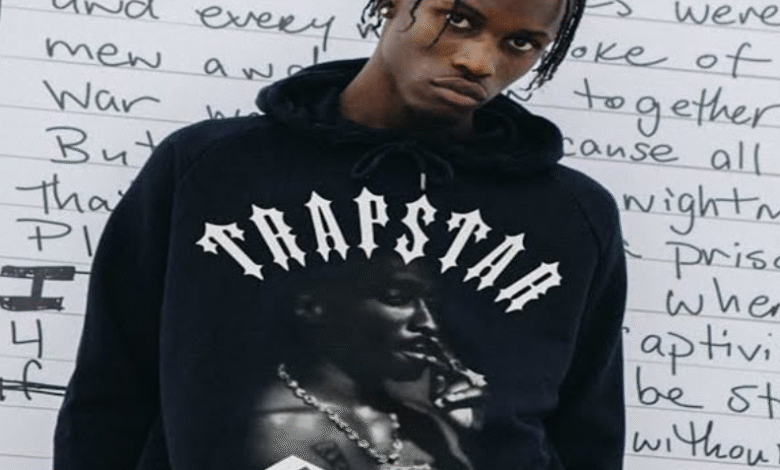
. 2025 Celeb Sightings: Trapstar’s A-List Army
Who’s flying the Trapstar flag in 2025?
Drake dropped a surprise verse in a London pop-up wearing a storm-grey Trapstar hoodie layered over chrome chainmail (yes, really).
The Kid LAROI, proud of his Aussie roots, performed in Brisbane wearing a Trapstar x Puma crossover piece—custom-made.
Stormzy, a longtime supporter, was spotted at a Bondi cafe in full Trapstar fit, turning heads like it was 2015 all over again.
They aren’t just wearing it. They’re co-signing the culture.
Tech Flex: What’s Under the Hood(ie)?
Trapstar isn’t throwing together cotton and calling it premium.
The 2025 hoodie drop uses Tri-Knit Pro™ tech, combining:
- Heavyweight French Terry fleece
- A breathable bamboo-mesh lining
- And thermal-layered rib cuffs that lock in shape
It stretches without sagging. It breathes in summer but stays warm in winter. It’s tailored for real life, not just runway shots.
. The Fit That Hits: Trapstar’s Signature Construction
What makes the hoodie feel right?
It’s the structured drop-shoulder fit, paired with a slightly cinched waist seam. The hood is double-paneled, which gives it that crisp look that doesn’t collapse.
Inside? Micro-loop brushed lining gives you that luxury blanket feel. But outside? It’s street-tough. The fabric holds firm, like it has something to prove.
Spoiler: it does.
. Unexpected Styling Hacks: How the Bold Wear It
If you’re just tossing it over jeans, you’re doing it safe—not Trapstar.
Here’s how it’s being styled on the streets in 2025:
- Trapstar Hoodie + tactical vest + pleated skirt (yes, in Sydney clubs)
- Melbourne DJs pair hoodies under leather trench coats with Cuban heels
- Brissy skaters rock sleeveless hoodies with thermal arm sleeves and wraparound shades
It’s not just fashion. It’s statement energy.
See also: Understanding The Importance Of Life Insurance In Financial Planning
. Trapstar in Sydney: Streetwear with Surf Soul
Sydney’s love for Trapstar is loud. From Newtown lanes to Bondi sunsets, it’s everywhere.
The summer-ready cuts and sweat-wicking linings work for humid walks and pub nights. And don’t be surprised to see Trapstar zipped over wet boardshorts—style rules here are fluid.
Retailers in Surry Hills have already reported sellouts of the acid-wash hoodie within 24 hours.
. Melbourne’s Creative Class and the Hoodie Effect
Melbourne’s fashion crowd? No one plays with Trapstar better.
Think: longline Trapstar Hoodie over suit pants and dad shoes. Or painted versions worn by graffiti artists in Collingwood. It’s less about brand worship and more about personal remixing.
In Fitzroy and Brunswick, Trapstar isn’t a label. It’s part of the uniform.
. Brisbane Vibes: Keeping Cool with Street Heat
Trapstar knew Brissy needed something lighter. The solution?
Vapor-Fit Hoodies—crafted from a lightweight tri-blend, designed to cool on contact. It’s the answer to the Queensland heat without compromising on fit or style.
Worn with baggy cargos or board shorts, it’s the only hoodie you’ll see at nighttime rooftop parties in Fortitude Valley.
. Trapstar’s Numbers Game: Cultural Metrics in Australia
It’s not hype. It’s data.
- TikTok: #TrapstarAustralia hit 16M views in the first half of 2025.
- Sales: Sydney and Melbourne stockists saw 180% hoodie growth YoY.
- Surveys: 4 in 5 Gen Z Aussies say Trapstar is “the most authentic streetwear brand.”
That’s not a trend. That’s cultural resonance.
. Trapstar vs. Global Brands: What Sets Them Apart
Big brands? They’re chasing aesthetics. Trapstar’s chasing meaning.
No mass production. No corporate sponsorships watering things down. Just tight drops. Real stories. Local influence. Global ripples.
They don’t just build hoodies. They build identity layers.
. Logo Talk: Iconography That Speaks Volumes
That bold arched Trapstar font? It’s more than logo placement.
It’s graffiti from West London. It’s a tattoo script in Adelaide. It’s movement branding. In 2025, the logo appears in:
- Cracked chrome
- Raised embroidery
- Heat-reactive thermoprint
You don’t just wear it. You speak through it.
. Trapstar for All: Genderless, Borderless, Fearless
Trapstar doesn’t market by gender. The hoodies are unisex by design, oversized for comfort, and shaped for styling.
The biggest flex in 2025? Seeing a 17-year-old girl from Perth and a 35-year-old skater from Melbourne wear the same hoodie—but make it their own.
That’s power. That’s the purpose.
. Why Trapstar Isn’t Just a Trend—It’s a Code
Trends fade. Trapstar stays.
Because it’s not chasing the mainstream. It’s building community. Each hoodie is a chapter in the book of resistance, worn by people with something to say.
And the message? Clear.
Real ones know. The rest will follow.