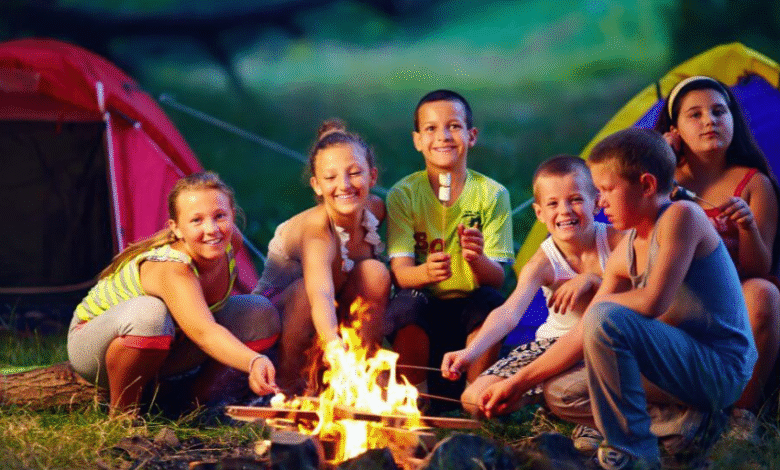
Summer camp offers children and teens a structured, supervised experience filled with outdoor activities, skill-building, and social interaction during school breaks. It can take many forms, from day camps to overnight programs, each providing opportunities for personal growth and new friendships.
The key value of summer camps lies in their ability to combine fun with learning, helping campers develop independence, teamwork, and confidence while enjoying nature and new experiences. Whether focused on sports, arts, academics, or adventure, summer camps cater to diverse interests and needs.
Many organizations, including community groups like the YMCA and nonprofits such as The Salvation Army, offer various camp options, making participation accessible for families with different resources. Choosing the right camp depends on a child’s interests, age, and goals for the summer.
Types of Summer Camps
Summer camps vary widely to meet different needs, schedules, and interests. Some focus on daily local activities, while others involve overnight stays, and many specialize in specific skills or experiences. Understanding these differences helps parents and guardians choose the right fit for their child’s growth and enjoyment.
Day Camps
Day camps operate during regular daytime hours and do not involve overnight stays. These camps often run from early morning until late afternoon, allowing children to return home each evening. They are convenient for families seeking structured activities without the time commitment of extended stays.
Many day camps focus on outdoor play, sports, arts, or educational activities. Local gyms, community centers, and schools frequently host them. Day camps suit younger children or those new to camp environments, helping build independence in a familiar routine. They also support shy kids by offering socialization in shorter, manageable increments.
Overnight Camps
Overnight camps require children to stay on-site, usually for one or more weeks. These camps provide a more immersive experience, encouraging independence, responsibility, and social skills. Campers engage in multiple daily activities such as hiking, swimming, crafts, and team sports.
These camps vary by size and theme but share the common feature of communal living, which fosters teamwork and long-lasting friendships. Overnight camps can be traditional or specialized but always include accommodations, meals, and round-the-clock supervision. They appeal to children ready for longer separation from home and deeper camp involvement.
Specialty Camps
Specialty camps focus on specific interests or skills, offering targeted programming. Common types include STEM camps, which emphasize science, technology, engineering, and math; sports camps focused on particular athletic disciplines like soccer or basketball; and arts camps that develop skills in music, dance, theater, or visual arts.
These camps often provide expert instruction and tailored activities to develop talents and confidence. Specialty camps can be day or overnight and may appeal to children with clear passions or career interests. They also include camps designed for children with special needs, providing customized support and adaptive activities.
Planning for Summer Camp
Effective summer camp planning involves managing key administrative tasks, preparing campers with the right gear, and ensuring strict health and safety measures. Each step requires attention to detail to create a smooth experience for both campers and staff.
Enrollment and Registration
Enrollment typically opens several months before camp begins. Camp organizers should provide a clear, user-friendly registration system, whether online or paper-based, that collects essential information such as camper details, emergency contacts, and medical history.
Early registration helps secure spots and allows time for staff planning. Payment policies, cancellation terms, and deadlines must be communicated clearly to avoid confusion. Some camps offer tiered pricing or early-bird discounts to encourage timely sign-ups.
A well-organized registration process also includes gathering activity preferences and dietary restrictions. This data supports effective planning and helps tailor the camp experience to individual needs.
See also: Gas Turbine Nozzle Repair: Restoring Efficiency and Extending Turbine Life
Packing Essentials
Packing lists should be specific, focusing on the camper’s age, camp activities, and weather conditions. Basic items include weather-appropriate clothing, sturdy shoes, swimwear, and toiletries.
Camps often recommend labeling all belongings to prevent loss. Additional items might be sunblock, insect repellent, a reusable water bottle, and a flashlight. Electronics are usually discouraged or restricted.
A sample packing list can help families prepare efficiently:
| Item | Notes |
| T-shirts & Shorts | Multiple sets for daily wear |
| Sweatshirt/Jacket | Evenings may be cool |
| Closed-toe Shoes | Required for most activities |
| Swimwear | For swimming or water sports |
| Toiletries | Toothbrush, soap, etc. |
Health and Safety Considerations
Health and safety protocols must be a top priority. Camps require updated immunization records and may request health forms completed by a physician. Staff training in first aid and emergency response is essential.
Clear procedures for managing allergies, medications, and chronic conditions ensure campers’ wellbeing. Camps should have a plan for illness outbreaks and access to medical care.
Safety policies often include supervision ratios, secure camper drop-off and pick-up procedures, and established behavior rules. Parents need transparent communication about these measures to build trust.