Introduction
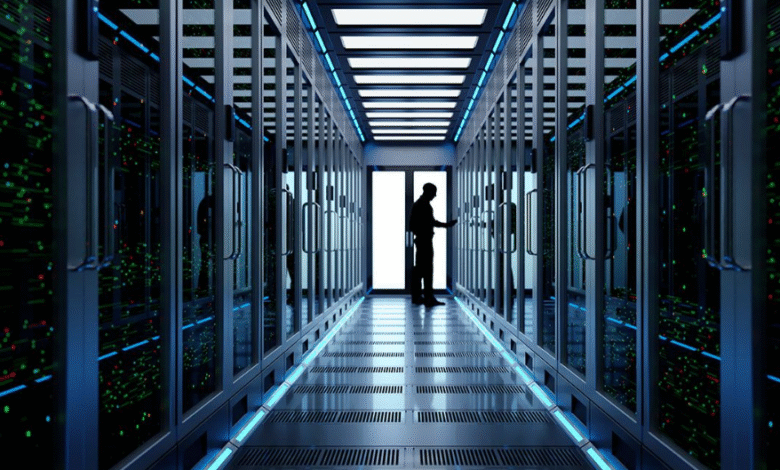
Modern data centers are the backbone of digital transformation, supporting cloud computing, big data, artificial intelligence, and mission-critical enterprise applications. As data centers grow in size and complexity, managing physical and virtual assets manually becomes inefficient and risky. This is where a data center infrastructure management system plays a crucial role.
A data center infrastructure management system provides centralized visibility, control, and optimization of data center resources. It bridges the gap between IT operations and facility management, enabling organizations to improve efficiency, reduce costs, and enhance reliability.
What Is a Data Center Infrastructure Management System?
A data center infrastructure management system (commonly known as DCIM) is an integrated platform that monitors, manages, and analyzes both physical and virtual components within a data center. This includes servers, storage devices, network equipment, power systems, cooling units, racks, and environmental sensors.
The system collects real-time data and historical metrics to help administrators make informed decisions regarding capacity planning, energy usage, asset lifecycle management, and operational efficiency.
See also: Smart Home DecorAdTech: Innovations in Home Automation
Core Components of a Data Center Infrastructure Management System
1. Asset Management
The system maintains a comprehensive inventory of all data center assets, including hardware specifications, physical locations, ownership, and lifecycle status. This reduces asset loss and improves utilization.
2. Power Monitoring and Management
Power usage is tracked at multiple levels, such as facility, room, rack, and device. This enables accurate measurement of energy consumption and helps identify inefficiencies.
3. Cooling and Environmental Monitoring
Temperature, humidity, and airflow data are continuously monitored to prevent overheating and equipment failure while optimizing cooling efficiency.
4. Capacity Planning
By analyzing current usage and growth trends, the system helps forecast future capacity needs for power, space, and cooling.
5. Visualization and Reporting
Dashboards, heat maps, and reports provide clear insights into data center performance, enabling faster troubleshooting and better decision-making.
Key Benefits of Using a Data Center Infrastructure Management System
Improved Operational Efficiency
Centralized management reduces manual tasks and streamlines workflows, allowing IT teams to focus on strategic initiatives.
Reduced Downtime
Real-time alerts and predictive analytics help identify potential failures before they impact operations.
Enhanced Energy Efficiency
By optimizing power and cooling usage, organizations can significantly lower energy costs and reduce their carbon footprint.
Better Compliance and Auditing
Accurate documentation and reporting support regulatory compliance and internal audits.
Cost Optimization
Improved asset utilization and proactive maintenance reduce unnecessary capital and operational expenses.
How a Data Center Infrastructure Management System Supports Modern IT Environments
Hybrid and Cloud Integration
Modern data centers often operate in hybrid environments. A data center infrastructure management system provides visibility across on-premises and integrated cloud resources.
Scalability and Automation
As workloads increase, the system supports scalable operations and automated responses to environmental or performance changes.
Support for AI and Analytics
Advanced systems leverage analytics to predict failures, optimize resource allocation, and improve long-term planning.
Challenges Addressed by a Data Center Infrastructure Management System
- Lack of visibility into physical infrastructure
- Inefficient energy consumption
- Difficulty in capacity forecasting
- Manual asset tracking errors
- Increased risk of downtime
By addressing these challenges, the system becomes a critical tool for sustainable data center operations.
Best Practices for Implementing a Data Center Infrastructure Management System
- Define clear operational and business objectives
- Ensure accurate data collection from the start
- Integrate with existing IT and facility tools
- Train staff to fully utilize system capabilities
- Continuously review analytics and performance metrics
Future Trends in Data Center Infrastructure Management Systems
The evolution of data center infrastructure management systems is driven by automation, artificial intelligence, and sustainability. Future systems will focus on predictive maintenance, autonomous optimization, and deeper integration with software-defined infrastructure.
As data centers continue to support emerging technologies, these systems will become even more essential for maintaining reliability and efficiency.
Frequently Asked Questions (FAQs)
What is the primary purpose of a data center infrastructure management system?
The primary purpose is to provide real-time visibility and control over data center assets, power, cooling, and space to improve efficiency and reliability.
Is a data center infrastructure management system only for large data centers?
No. While large data centers benefit significantly, small and mid-sized data centers also use these systems to improve operations and reduce costs.
How does a data center infrastructure management system improve energy efficiency?
It monitors power and cooling usage, identifies inefficiencies, and provides insights for optimizing energy consumption.
Can a data center infrastructure management system reduce downtime?
Yes. Real-time monitoring, alerts, and predictive analytics help detect issues early and prevent unexpected failures.
Does a data center infrastructure management system support compliance?
Yes. It provides accurate reporting, documentation, and audit trails that support regulatory and internal compliance requirements.
Conclusion
A data center infrastructure management system is no longer a luxury but a necessity for modern data centers. As infrastructure becomes more complex and business demands increase, organizations need precise control, real-time visibility, and intelligent insights.
By implementing a robust data center infrastructure management system, businesses can enhance operational efficiency, reduce costs, improve sustainability, and ensure high availability. Ultimately, it serves as the foundation for resilient, scalable, and future-ready data center operations.