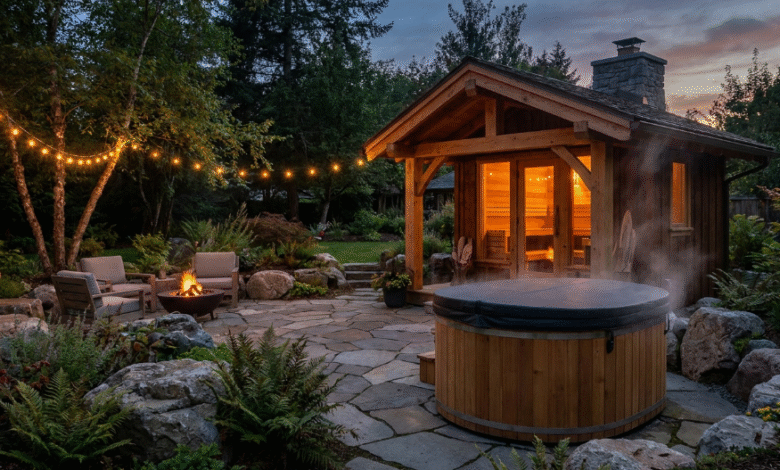
A basic outdoor barrel sauna with a heater, a gravel pad, and a short electrical run typically lands between $4,800 and $9,500 once everything is installed. A larger cedar cabin with insulated walls, a bigger heater, and a longer wire run to the house panel often reaches $9,000 to $16,000. The cabin itself usually makes up 45 to 60 percent of that number; the rest goes to site work, wiring, delivery, and finishing touches that rarely show up on a product page.
How much should you actually set aside?
Treat the advertised price of the unit as a starting point, not a total. Shoppers who budget only for the cabin and heater are routinely surprised by a second invoice for trenching, a pad, or a longer-than-expected wire pull once a contractor walks the yard. A realistic total for a mid-size outdoor sauna, structure plus every step needed to make it usable, sits closer to $7,000 to $12,000 for most suburban lots. Corner lots, sloped yards, and properties where the panel sits far from the planned spot tend to land at the higher end.
What drives the sticker price of the cabin itself?
Wall thickness and wood species do most of the work. Thin single-wall barrels are the cheapest option but lose heat fast in wind, which pushes up running cost over time. Double-wall insulated cabins cost more up front but hold temperature better outdoors, where wind chill is a real factor a garage conversion never deals with. Wood choice matters too: Western red cedar carries a premium over heat-treated hemlock or spruce for reasons covered elsewhere, and a larger glass door or window wall adds cost while also adding a bit of heat loss to account for. Retailers such as SweatDecks, Almost Heaven, and SaunaLife list current model pricing openly, so comparing three or four listings side by side before settling on a size is a reasonable first step, and it helps separate genuine price differences from marketing.
Why does a backyard site cost more to prep than an indoor room?
An indoor conversion inherits a floor that is already level and dry. A backyard does not. Grading the site so rainwater sheds away from the unit, rather than toward the house or a low spot where it pools, is the first real cost, often a few hundred dollars in materials and labor for a gravel or paver base. Delivery access is the second: a barrel or cabin shipped flat-packed still needs a clear path from the driveway to the final spot, and a yard with a narrow side gate, steps, or a retaining wall can add a labor charge for extra hands or a small equipment rental that a flat, open lot would never need.
How much extra does routing power out to the yard add?
This is where outdoor projects diverge sharply from indoor ones. Outdoor circuits need weatherproof, buried conduit and typically a GFCI-protected disconnect near the unit, both of which add labor beyond a simple in-wall run. A short pull to a yard close to the panel might stay under a thousand dollars. A run of 50 feet or more, especially one that crosses a patio or driveway and needs saw-cutting and patching, can push electrical cost past $2,500 on its own. Getting a firm quote from a licensed electrician before ordering the sauna is the single best way to avoid a budget built on guesswork.
If you want a sense of what is currently priced and in stock rather than working from list prices that shift seasonally, you can check what is in stock and use a real listing as your anchor number before you call an electrician for a quote.
Do you need a permit for a freestanding backyard sauna?
Often, yes, though the trigger varies by jurisdiction. Many towns exempt small accessory structures under a set square footage as long as there is no permanent foundation and no electrical hookup. The moment you add a poured pad or a dedicated circuit, most building departments want a permit, and homes in an HOA frequently need separate design approval for anything visible from the street or a neighboring yard. Skipping a required permit rarely causes trouble immediately, but it can complicate a future home sale or an insurance claim tied to the wiring.
What should you budget for keeping it looking good outside?
Sun, rain, and snow work on exterior wood in a way an indoor cabin never experiences. Plan on refinishing the outside with stain or sealant every one to two years, more often on the south or west face that takes direct afternoon sun. In snow country, add a look at roof pitch and drainage before winter; a flat or barely sloped roof design can hold snow load that a steeper roof sheds on its own. None of this is expensive per visit, usually under $200 in materials for a mid-size unit, but it is a recurring line item an indoor sauna owner never has to think about.
How does buying a bundled package change the total?
Some sellers price the cabin, heater, and a basic set of accessories, rock scoop, bucket and ladle, thermometer, as one bundled figure rather than a base price with everything else listed as an add-on. Bundled pricing is usually easier to compare across brands because it removes the guesswork of adding up separate line items that different retailers structure differently. It is worth checking whether a bundle includes delivery to the driveway only or delivery plus placement in the yard, since that distinction alone can account for a few hundred dollars of difference between two listings that otherwise look similar on price. A bundle that looks slightly more expensive on paper sometimes turns out cheaper once every separate cost from a leaner listing is added back in.
What about financing a larger install?
For buyers stretching toward the higher end of the range, some retailers and independent lenders offer installment financing on the unit itself, separate from any financing an electrician or landscaper might offer for the site work. Financing terms vary enough that comparing the total cost paid over the term, not just the monthly payment, matters before committing. A shorter-term plan at a slightly higher monthly cost usually beats a longer one once total interest is factored in, and treating the sauna purchase with the same scrutiny as any other several-thousand-dollar home improvement purchase avoids a financing decision that outlasts the enthusiasm for daily use.
Frequently Asked Questions
How much does a small outdoor sauna cost fully installed? A basic barrel model on a gravel pad with a short wire run typically lands between $4,800 and $9,500. Larger insulated cabins with a bigger heater and a longer power run often reach $9,000 to $16,000.
Is running power to the yard the most expensive hidden cost? For most outdoor installs, yes. Trenching and conduit for a run of 40 feet or more can cost as much as site prep and delivery combined.
Do backyard saunas need a building permit? It depends on footprint and foundation type. Small unwired structures are often exempt, but a poured pad or dedicated circuit usually triggers a permit and sometimes HOA review.
How much should I budget yearly for exterior upkeep? Roughly $80 to $200 a year for stain or sealant, more in climates with heavy sun or snow exposure.
References
- Cardiovascular and Other Health Benefits of Sauna Bathing: A Review of the Evidence, Mayo Clinic Proceedings, 2018
- Clinical Effects of Regular Dry Sauna Bathing: A Systematic Review, Evidence-Based Complementary and Alternative Medicine, 2018
- Does the Combination of Finnish Sauna Bathing and Other Lifestyle Factors Confer Additional Health Benefits? A Review of the Evidence, Mayo Clinic Proceedings, 2023